
Digitizing a Cultural Framework for Care
Indigenous care is holistic and multifaceted. iAwhi digitizes our cultural, aspirational and clinical plans to ensure we are capturing the holistic care of our clients – including their physical health, their emotional and mental wellbeing, their goals, their personal needs, and contractual obligations.
Ngākau Purotu- An Indigenous Model of Clinical and Healing Practise
One of iAwhi's key strengths is that the cultural framework behind it — Ngākau Purotu, an Indigenous model of clinical and healing practice — has been embedded into its development from the start. That foundation lets us deliver our Kaupapa Māori Practise Model and record data that aligns with both mainstream and cultural systems and outcomes. Whānau Ora, the pathway to wellbeing, becomes a collaborative plan we develop with the person and their family, supported by the relevant service and/or care plan — so every part of a person's wellbeing is captured alongside our contractual requirements.


Ngākau Purotu
Ngākau = Heart,
Purotu = Beautiful
Ngākau Purotu is our Kaupapa Māori Practise Model that aligns mainstream and cultural systems and outcomes.
Whānau Ora
Whānau = Family,
Ora = Wellbeing
Whānau Ora is the pathway to wellbeing through aspirational goals.
Care Plans
Personal + Clinical Care
Care Plans outline the personal and clinical care our clients need to be well supported.
iAwhi
The Digital Platform
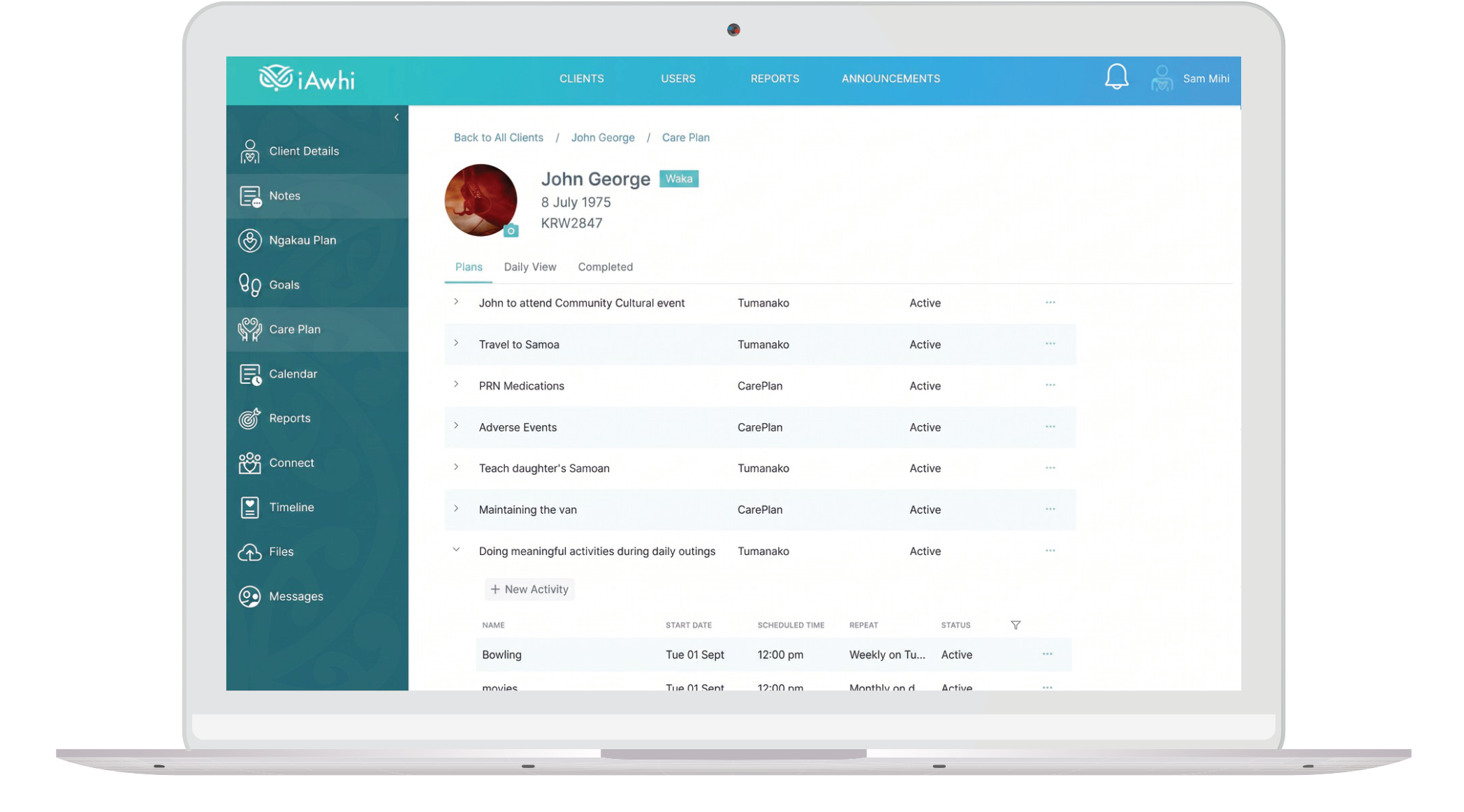
iAwhi digitises cultural, aspirational and clinical plans —health, wellbeing goals, personal needs and contractual obligations

The key points of difference of iAwhi
Seven core capabilities connecting culturally grounded practice, real-time data and goal-focused care.
1 - Our Indigenous Practise Model
The incorporation of our integrated practise model Ngākau Purotu.
2 - Data Management
The ability to analyse data. Includes analysis of goal progress and achievement
3 - Linking Goals, Support and Everyday Practice
Linking client aspirational goals defined as part of our practice model with conventional client care.
4 - Real World Validation
Actively validating our software through our partnership with What Ever it Takes Home Based Rehabilitation Group.
5 - Real Time Data for Better Care Decisions
Capturing live data in the homes from Clients, Whānau (Family), Kaiāwhina (Support), Clinicians that can be accessed and analysed immediately by Administration Management in real time.
6 - Connection
Connecting Clients, Whānau (Families) and Workforce.
7 - Goal Tracking
All activity is recorded against Tumanako – short, medium, long term goals

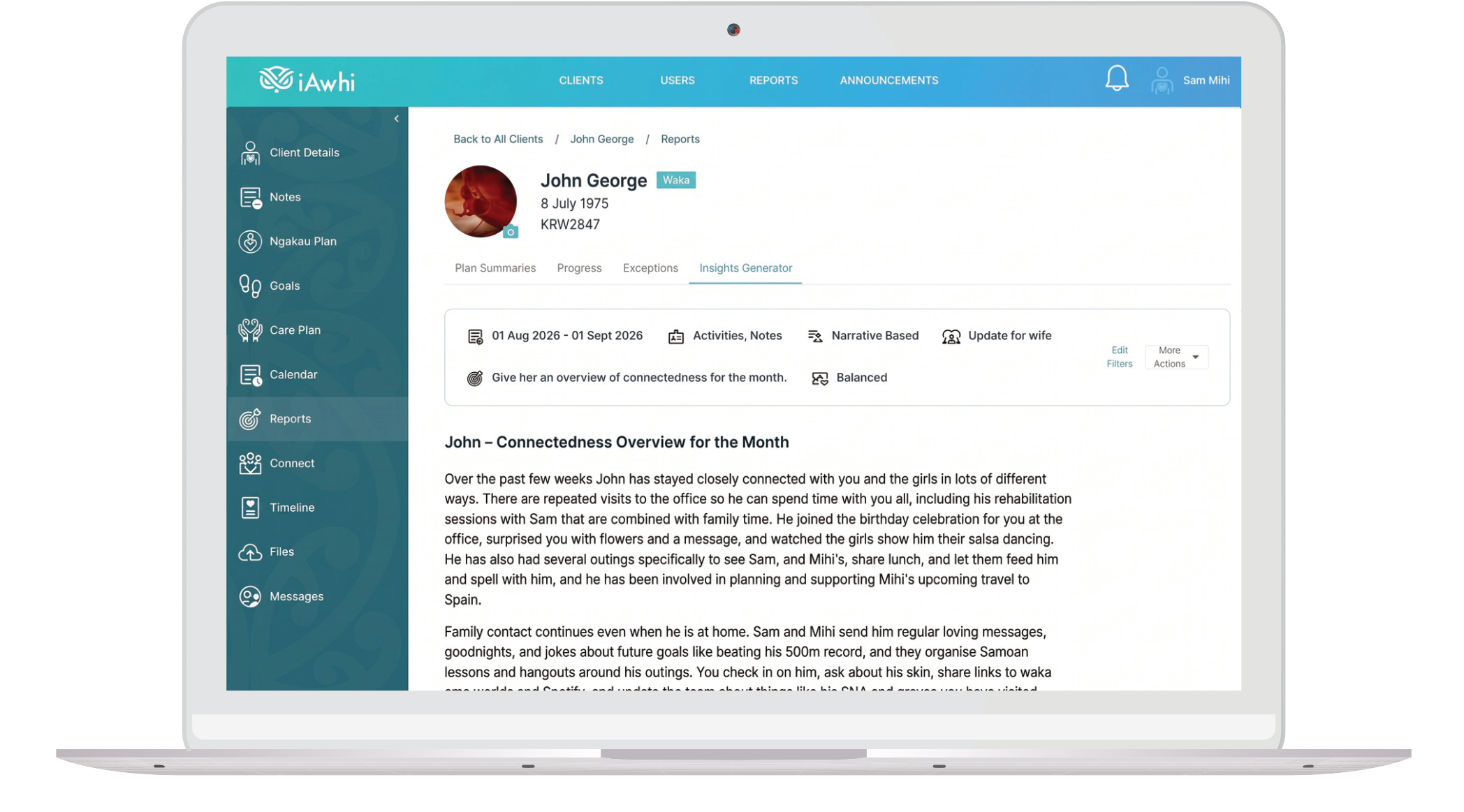
How might someone use iAwhi?
-
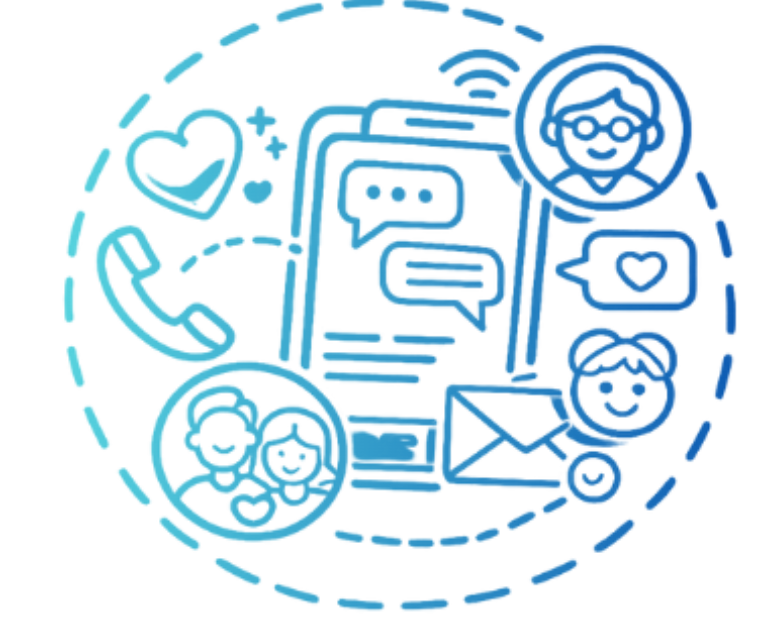
1. Stay Connected
Aroha is travelling through Europe. Her sister Waiata is at the University of Auckland, New Zealand, her brother Whata is on a basketball scholarship in Utah, USA while their Koro (Grandfather) and Kui (Grandmother) live in the far north community of Russell, Bay of Islands, New Zealand. Koro had a fall earlier in the year and requires support so it is really important for the whole Whānau that they are able to remain connected despite the geographical separation.
-
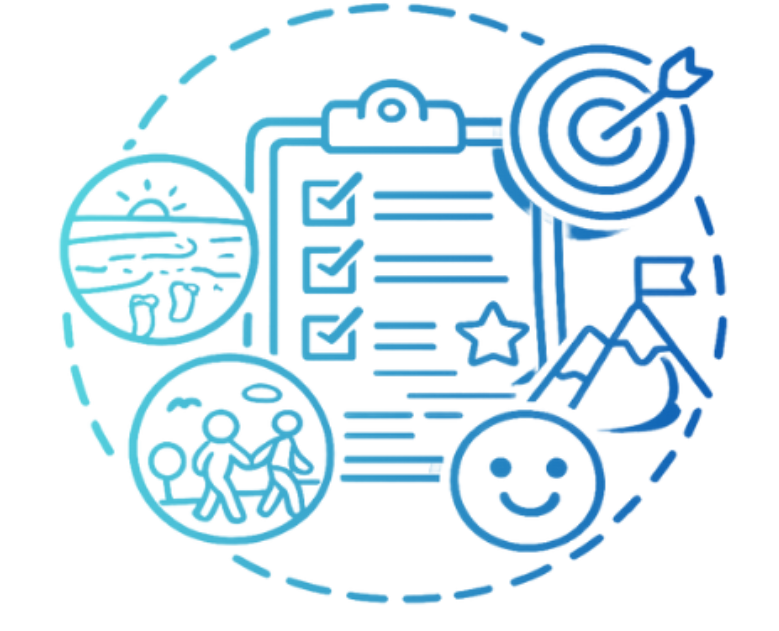
2. Goals & Milestones
The Moko (Grandchildren) are keen to see how Koro is progressing with his rehabilitation particularly his Tūmanako (goals and milestones) and the activities he’s involved with. Pictures and videos are uploaded of Koro and Kui walking to the beach to collect shellfish for their meal. This is part of their everyday life and love of the Moana (Ocean). It also becomes part of Koro’s rehabilitation and he’s more than happy to participate in it.
-
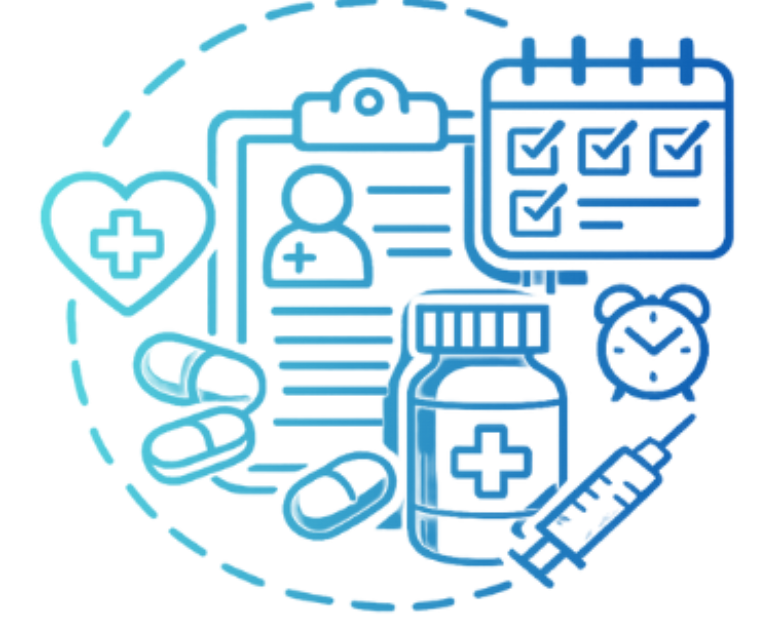
3. Record
Koro’s care team must record the tasks they have done throughout the day and the medications that Koro took so that their Managers and the Whānau are reassured Koro is in good hands and receiving the care he needs.
-
4. Reports & Analytics
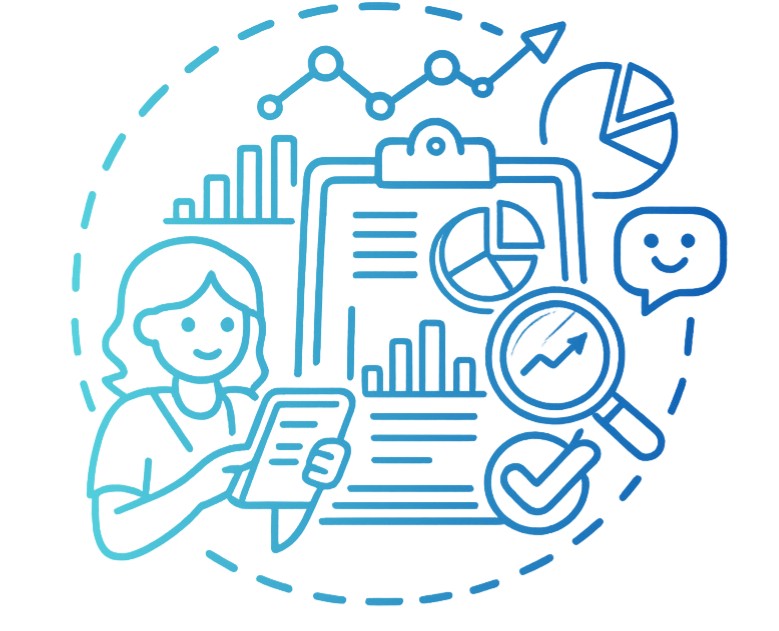
The team leader analyses the data that has been input by the care team and notices Koro seems to be taking a lot more time to shower than what has been funded for by their insurance. Because the team have recorded great information the Team Leader is able to provide the insurance company (or any funder - an insurer, an agency, a board) evidence to support the need to increase funding; until Koro’s injury improves as it seems to directly correlate. Likewise the insurance company is able to validate the spend. Its a win win!
And it works the same way across sectors
A wāhine returning home from custody has corrections, police, justice, parole, and whānau all involved in her reintegration.
iAwhi brings them into one shared, permissioned space — so nothing falls through the gaps, and every agency can show its funder exactly what was done and when.
Empowering Care Through Connection and Insight
Care is about more than just support, it’s about understanding and making informed decisions.
iAwhi brings everyone involved in the care journey together on one seamless platform.
Real-time updates, live data, and shared insights ensure all decisions are based on the most accurate information, improving outcomes for everyone. iAwhi’s flexible design connects individuals, whānau (family), carers, and providers, capturing progress in real-time, simplifying communication, and keeping everyone on the same page.
Made by whānau, shaped by lived experience
iAwhi was created from our own need to navigate and care for our whānau (family). We wanted to keep everyone connected, ensure the right information was always within reach, and support those at the heart of the care journey.
That lived experience became Ngākau Purotu, and Ngākau Purotu became iAwhi. What started as a way to keep Peter connected to his daughters is now the platform behind real programmes across Aotearoa and Hawaiʻi — with ACC, Te Paa, Pu'a Foundation, and E Kolu Mea Nui among the partners — spanning health, justice, education, and community-stewardship sectors, both here and offshore. The kaupapa (purpose) hasn't changed. The scale has.
Our team in Aotearoa (New Zealand) has firsthand experience on the frontline of care and understands the challenges that come with it. That insight continues to guide us as we refine a platform that makes caring simpler, more connected, and better for everyone involved.

Family
Family need engagement, communication, customer satisfaction, feedback, planning / appointments, goal implementation, live updates.
Support Teams
Support Teams need easy data input, communication, engagement, planning/appointments, goal referencing, risk reporting/adverse events.

Team Leaders
Team Leaders need data analysis, full oversight, roster and staff management, payroll data, quality assurance, communication, goal setting, reviewing, reporting, risk management.
Connected Care
Team Leaders can define tasks and goals within iAwhi, Support Teams can update progress and record their daily support, and Family can keep track of what is happening with their loved one.
We are all part of the journey of care and the client is at the centre of it all.